


Some journeys don’t begin with a business plan. They begin with a moment that changes everything.
For AMIA, that moment came quietly—but it shook a life forever.
Our founder lost a close friend to a sudden cardiac arrest at just 34 years old. A young life, full of dreams, gone in a moment. Around the same time, he watched his mother’s health slowly decline—heart concerns, rising cholesterol, and the silent toll of modern food habits.
It planted a question that refused to leave: What are we really consuming every day—and what is it doing to the people we love most?
There will be:
Every bottle is a promise, not a product.
Every drop is pressed with responsibility.
AMIA doesn’t exist to fill shelves. It exists to protect hearts.
To preserve traditions.
To bring trust back into kitchens.
This is not just oil.
This is care you can taste. This is purity you can feel. This is love, pressed gently into every drop.
AMIA — From Our Heart to Your Home.
AMIA was born from a decision to go back—not forward.
Back to wooden presses. Back to slow extraction. Back to oils that breathe, carry aroma, texture, and life.
Cold-pressed. Wood-pressed. Untouched by chemicals. Unrushed by machines.
Every seed crushed at its own pace. Every drop of oil allowed to remain what nature intended it to be.
Not refined. Not stripped. Not altered.
Just honest.
During the stillness of COVID, when the world slowed down, something inside him began to move. With land, resources, and time to reflect, a simple idea grew into a mission.
Living and studying in Mumbai had already revealed a hard truth—food had become fast, convenient, and compromised. Quality had taken a back seat to speed and scale. His sister, a nutritionist, helped connect the dots: rising lifestyle diseases, sugar imbalances, cholesterol, and heart issues weren’t just medical problems—they were kitchen problems.
And in every Indian kitchen, there is one ingredient that touches every meal: Oil.
Not just oil—but the way it is made.
Finding the name wasn’t easy. When the original name was unavailable for trademark, the search became deeper—not for a brand name, but for a promise.
And then came AMIA.
A word that carries love across cultures. In Latin and French, it means beloved. In Sanskrit, it echoes delight and boundless purity. In Hebrew, it speaks of faith and trustworthiness.
In Hindi, “अमिमिअ” means amrit—a life-giving nectar. A symbol of healing, purity, and divine care.
AMIA became more than a name. It became a vow.
Some of the most important decisions in AMIA’s journey were never made in an office. They were made at home.
It often began in the evening, when the day slowed down and the kitchen filled with the soft sound of cooking. A mother would stand by the stove, stirring, tasting, adjusting — not from a recipe, but from instinct. A father would sit nearby, asking the same simple questions he always did: Where did this come from? How was it made? Can we trust it?
And then there was the sister — who spoke in facts and numbers, in cholesterol levels and sugar spikes, in how the body reacts to what we put into it every day. What seemed like casual conversations slowly became something deeper. They weren’t just talking about food anymore. They were talking about life, energy, and the quiet way health is built or broken, meal by meal.
When the idea of AMIA first surfaced, it wasn’t announced. It was shared — almost hesitantly — across that same table.
The mother listened first. She didn’t ask about profit or scale. She asked, “Will this really be good for people?”
The father leaned back, thoughtful, and said, “If you do this, do it slowly. Do it clean. Don’t take the easy road.”
The sister opened her notebook and began listing what most brands leave out — what should never go into the oil, what must never be removed from it, and what the body actually needs from every drop.
From that moment on, AMIA stopped being an idea. It became a family project.
Seeds were brought home and examined in the palm of a hand. Oil was pressed, smelled, tasted, and sometimes rejected.
Bottles were lined up on the counter like quiet questions waiting to be answered. Some were good. Some weren’t good enough.
And when they weren’t, they didn’t move forward.
Slowly, a rule formed — unspoken, but unbreakable: If it’s not good enough for this home, it’s not good enough for anyone else’s.
Today, every bottle of AMIA still carries that beginning with it. The mother’s care.
The father’s patience. The sister’s knowledge.
It doesn’t arrive in your kitchen as a product. It arrives as something that once sat on another family’s table — questioned, tested, and trusted — before it was ever shared with yours.
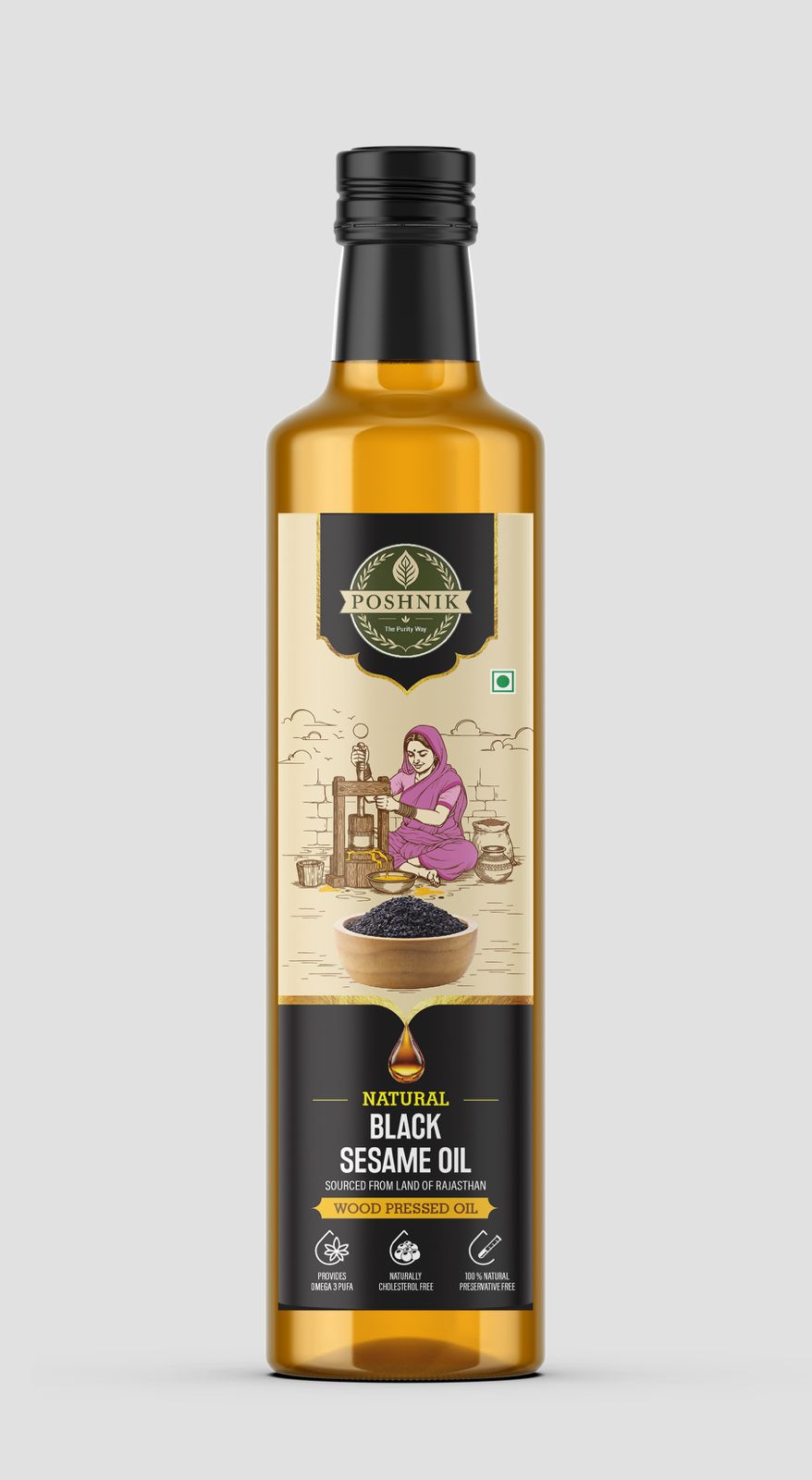
AMIA was born from a moment of deep realization. After losing a close friend to cardiac arrest at just 34, and witnessing the slow decline of a mother’s heart health, our founder began questioning what modern food was truly doing to the people we love.
During the stillness of the COVID years, with land, resources, and a growing purpose, a simple idea took shape—if food is medicine, then oil is its foundation.
Guided by a nutritionist’s insight and a family’s belief in doing things the right way, not the fast way, AMIA returned to traditional cold-press and wood-press methods. No chemicals. No shortcuts. No compromises.
The name AMIA comes from meanings of love, trust, and nectar across cultures. In Hindi, “अमिमिअ” represents amrit—a life-giving essence that heals and protects.
Today, AMIA stands for purity, honesty, and care in every drop—pressed slowly, bottled responsibly, and made for the people who matter most.
AMIA — From Our Heart to Your Home.